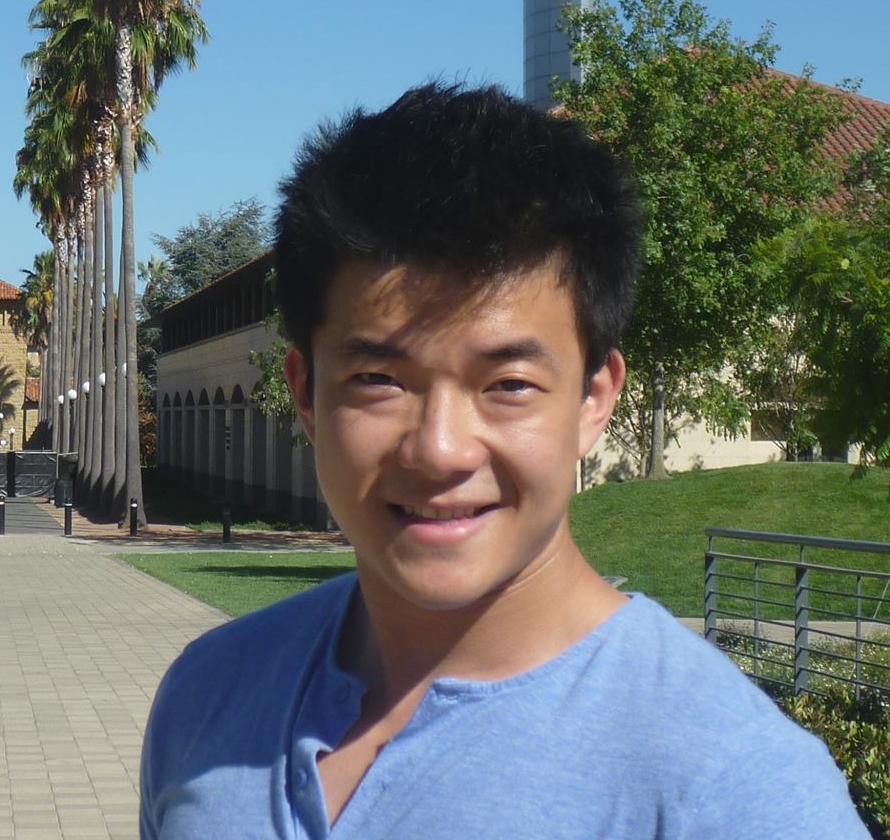
Photo of Yuan Xue

Yuan Xue

Senior Bioinformatics Data Scientist, ClearNote Health

I am a senior bioinformatics data scientist at ClearNote Health, specializing in the computational research of cfDNA fragmentomics for cancer detection.


I received my Ph.D. in Bioengineering from Stanford University, co-advised by Dr. Stephen Quake and Dr. John Boothroyd. My dissertation focused on developing and applying single-cell transcriptomic methods to study host-pathogen interactions. I characterized the intracellular life cycle of Toxoplasma gondii and discovered novel antigenic variation mechanisms (published in eLife), led computational analysis of macrophage responses to persistent Salmonella Typhimurium infection (published in Science Advances), and profiled DNA polymerase fidelity across broad evolutionary origins (published in Journal of Biological Chemistry). For more details on my research, please see my research projects.

If you are interested in connecting, please feel free to reach out to my email.

Research projects

5hmC Signatures Enable Pan-Cancer Detection in Liquid Biopsies

5hmC Signatures Enable Pan-Cancer Detection in Liquid Biopsies

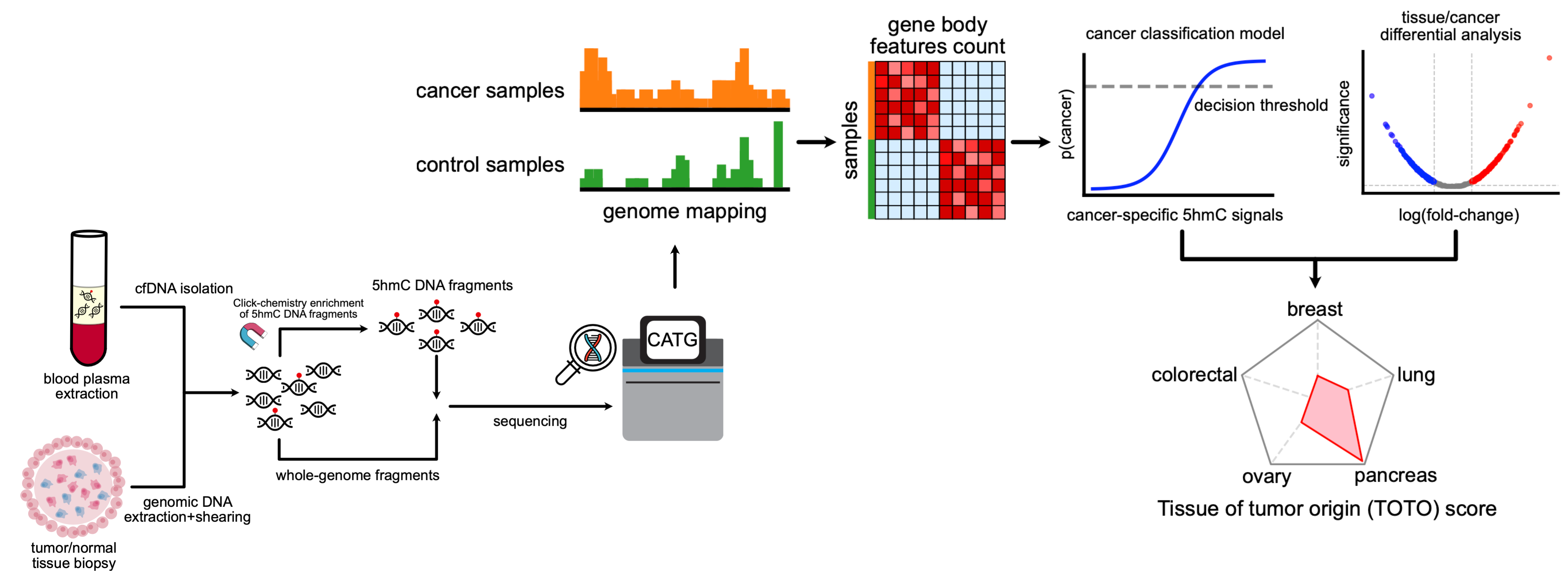
Can stable epigenomic marks in tumors be read from a blood draw? We profiled 5hmC across tumor tissues and cell-free DNA in five cancer types to ask whether hydroxymethylation signatures can detect cancer and pinpoint its tissue of origin.

Yuan Xue*, Yuhong Ning*, Verena Friedl, David Haan, Anna Bergamaschi, Gulfem D. Guler, Kyle Hazen, Aaron Scott, Tierney Phillips, Erin McCarthy, Christopher K. Ellison, Roger Malta, Albert Nguyen, Vanessa Lopez, Romola Cavet, Melissa Peters, Judith Sheard, William Gibb, Shimul Chowdhury, Wayne Volkmuth, Samuel Levy. Communications Biology, 2025.

cfDNA Epigenomics Cancer Detection
Cross-Species Wound Responses in a Regenerative Holobiont

Cross-Species Wound Responses in a Regenerative Holobiont

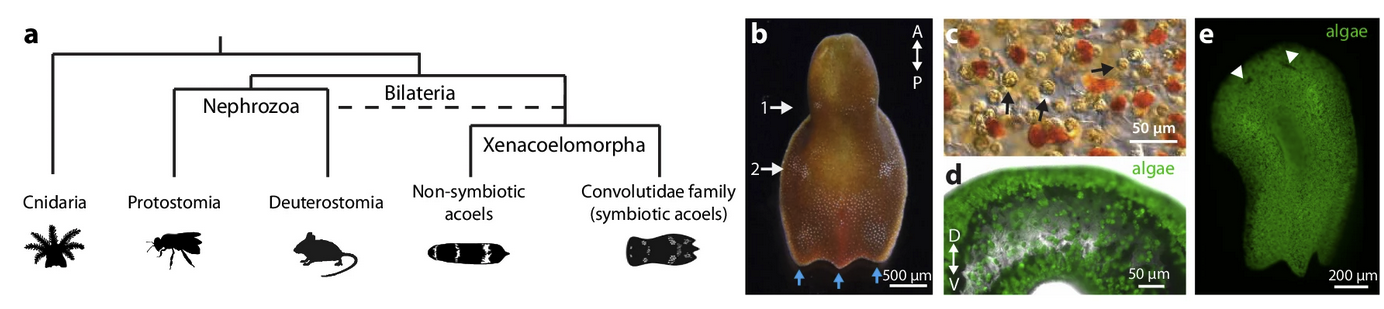
When a photosymbiotic animal is wounded, does its algal partner respond too? We use single-cell transcriptomics to explore how a regenerative acoel and its intracellular algae coordinate molecular responses to injury across species boundaries.

Dania Nanes Sarfati, Yuan Xue, Eun Sun Song, Ashley Byrne, Daniel Le, Spyros Darmanis, Stephen R. Quake, Adrien Burlacot, James Sikes, Bo Wang. Nature Communications, 2024.

scRNA-seq Regeneration Symbiosis
ACE+ Granuloma Macrophages Resist Bacterial Persistence

ACE+ Granuloma Macrophages Resist Bacterial Persistence

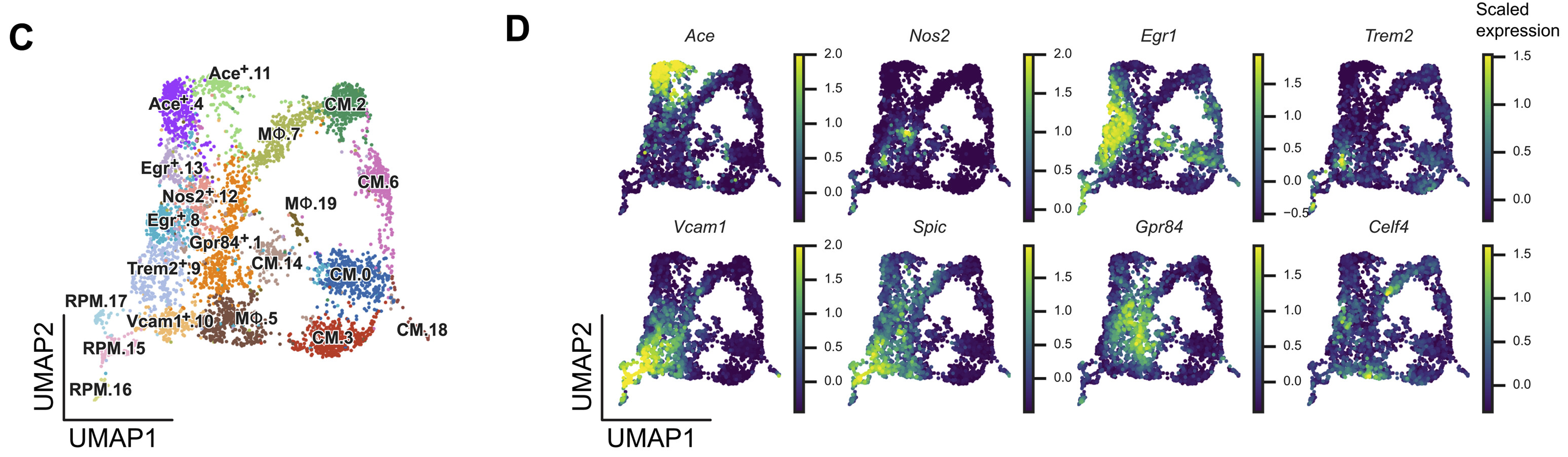
Macrophages can both fight and harbor Salmonella, so what tips the balance? We use single-cell transcriptomics to dissect macrophage diversity within granulomas during persistent infection and identify a subpopulation that resists becoming a bacterial reservoir.

Trung M. Pham*, Yuan Xue*, Susan M. Brewer, Kenneth E. Bernstein, Stephen R. Quake, Denise M. Monack. Science Advances, 2023.

scRNA-seq Host-Pathogen Immunology
How Temperature Shapes DNA Polymerase Fidelity

How Temperature Shapes DNA Polymerase Fidelity

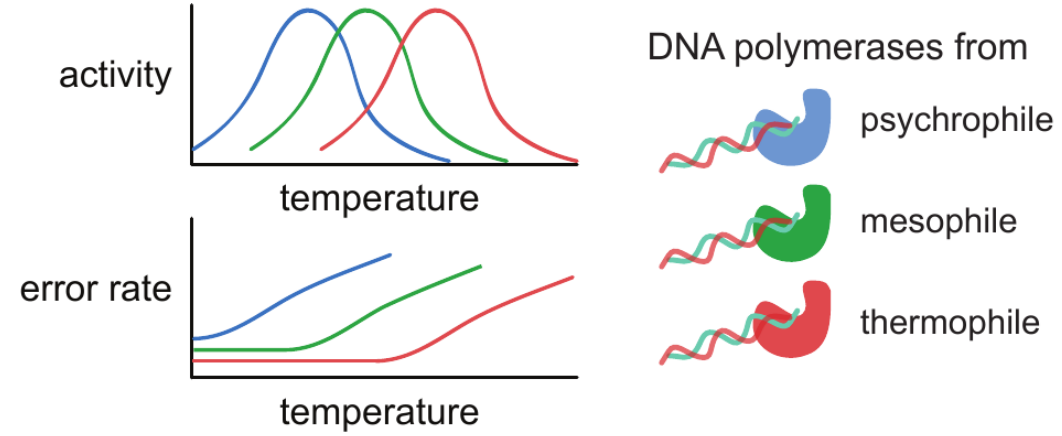
Temperature is a fundamental parameter of every polymerase reaction, yet how it affects error rates across thermally adapted enzymes is underexplored. We profile fidelity at single-molecule resolution for polymerases from psychrophilic to thermophilic origins, and find one that works below the freezing point of water.

Yuan Xue, Ido Braslavsky, Stephen R. Quake. Journal of Biological Chemistry, 2021.

Biochemistry DNA Replication Genomics
A Germline Stem Cell Circuit Conserved Across Flatworms

A Germline Stem Cell Circuit Conserved Across Flatworms

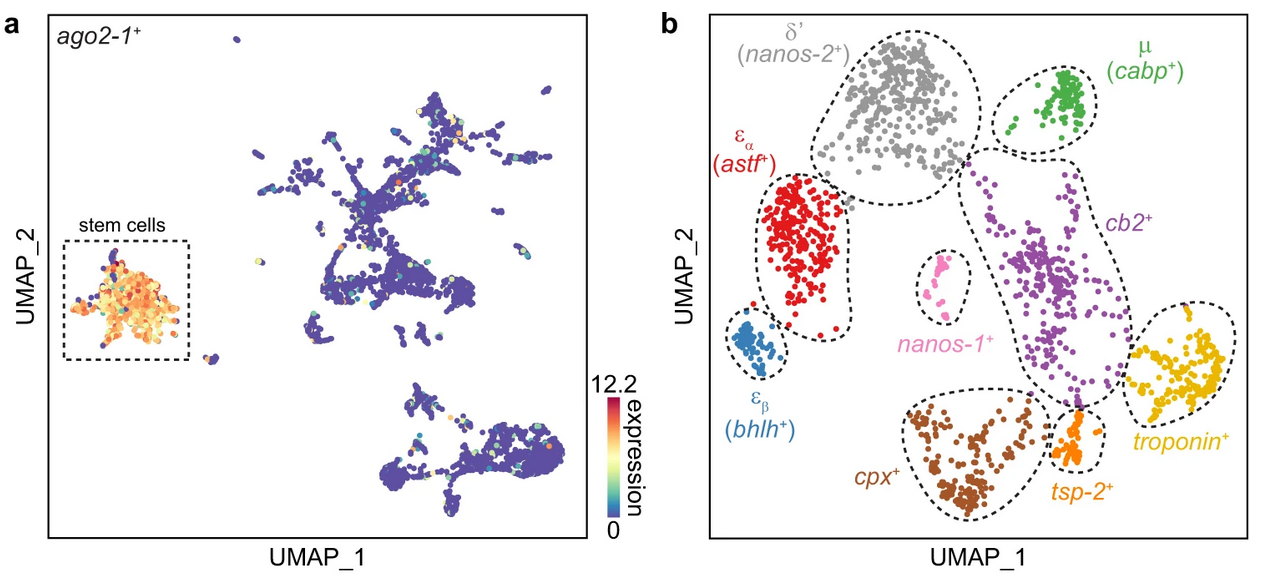
What decides whether a parasite germline stem cell self-renews or differentiates into gametes? We apply single-cell RNA sequencing to Schistosoma mansoni during gonad development to uncover the regulatory circuit at this crossroad and trace how it has been repurposed across flatworm evolution.

Pengyang Li, Dania Nanes Sarfati*, Yuan Xue*, Xi Yu, Alexander Joel Tarashansky, Stephen R. Quake, Bo Wang. Nature Communications, 2021.

scRNA-seq Parasitology Stem Cells
Disentangling How <em>Toxoplasma</em> Effectors Hijack Host Cells

Disentangling How Toxoplasma Effectors Hijack Host Cells

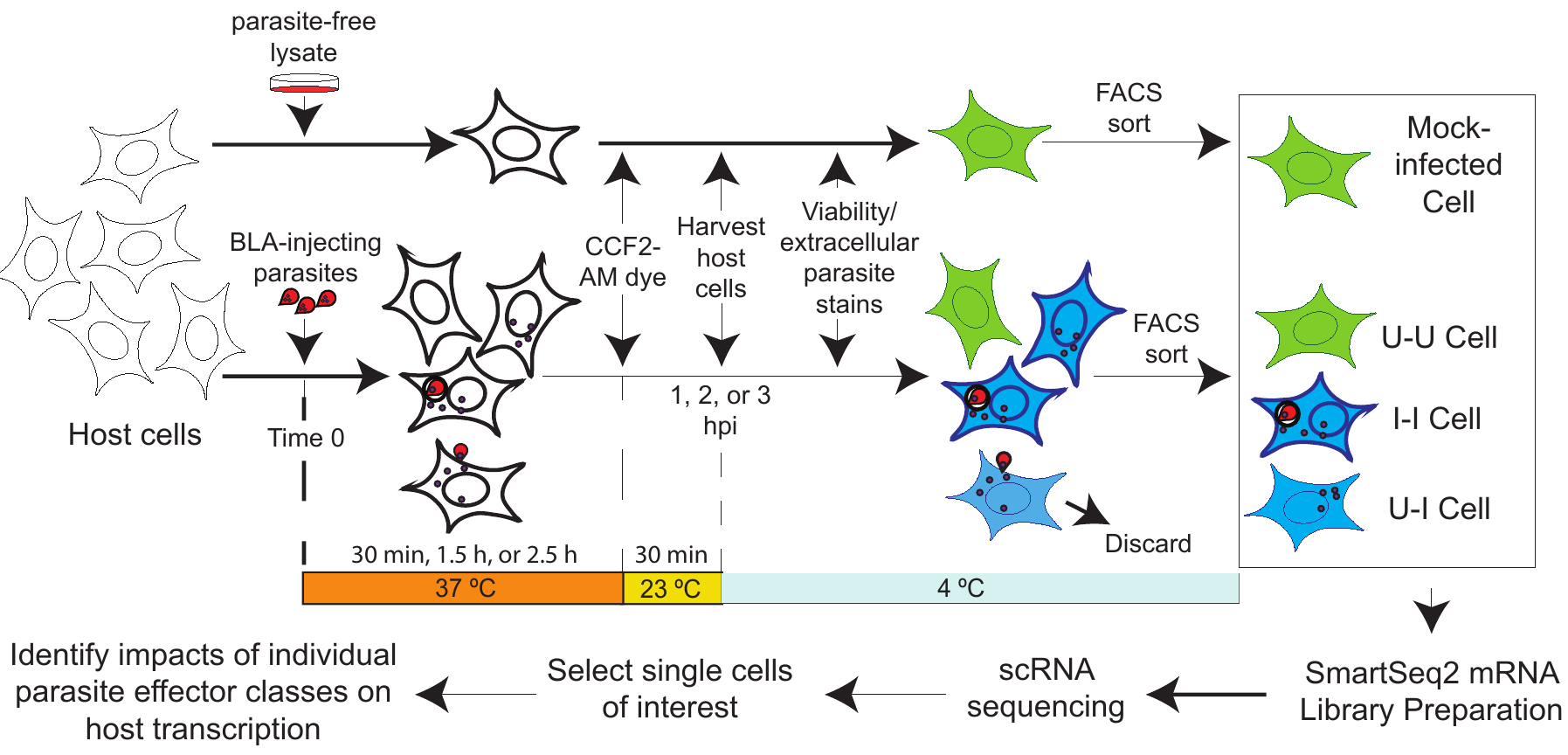
Toxoplasma injects effector proteins into host cells even when invasion fails. We exploit these "uninfected-injected" cells and single-cell transcriptomics to tease apart the individual contributions of ROP and GRA effectors to host gene expression in the earliest hours of infection.

Suchita Rastogi, Yuan Xue, Stephen R. Quake, John C. Boothroyd. mBio, 2020.

scRNA-seq Host-Pathogen Toxoplasma
A Single-Cell Atlas of <em>Toxoplasma</em> Development

A Single-Cell Atlas of Toxoplasma Development

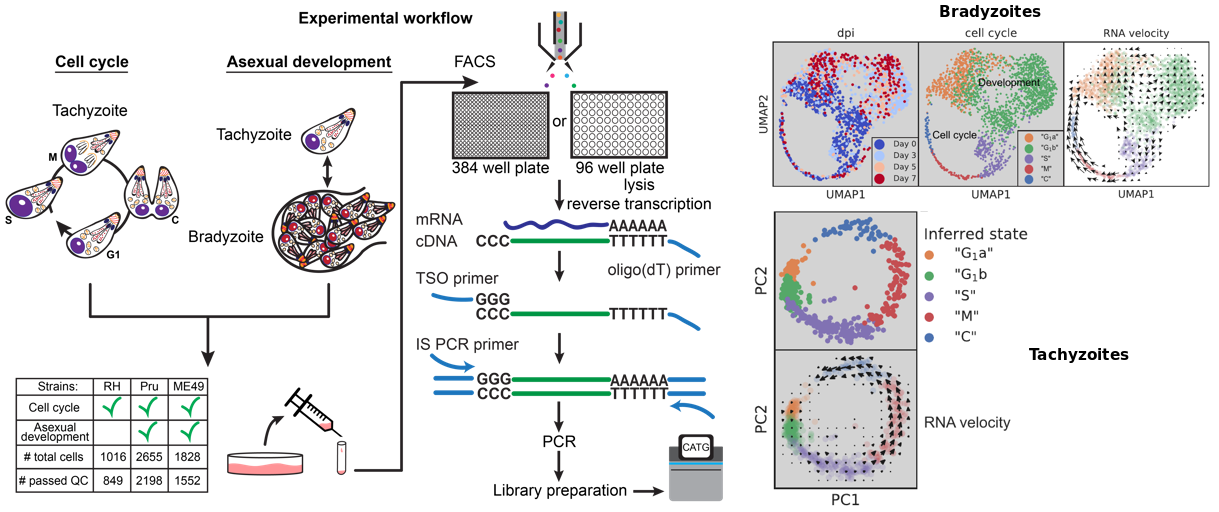
How does Toxoplasma gondii navigate its complex asexual life cycle, and why do individual parasites display such varied surface antigen profiles? We built a single-parasite transcriptional atlas across multiple strains and developmental stages to map hidden states, identify regulators of antigenic switching, and compare programs with the malaria parasite.

Yuan Xue, Terence T. Theisen, Suchita Rastogi, Abel Ferrel, Stephen R. Quake, John C. Boothroyd. eLife, 2020.

scRNA-seq Parasitology Toxoplasma
Self-Assembling Manifolds for Single-Cell Analysis

Self-Assembling Manifolds for Single-Cell Analysis

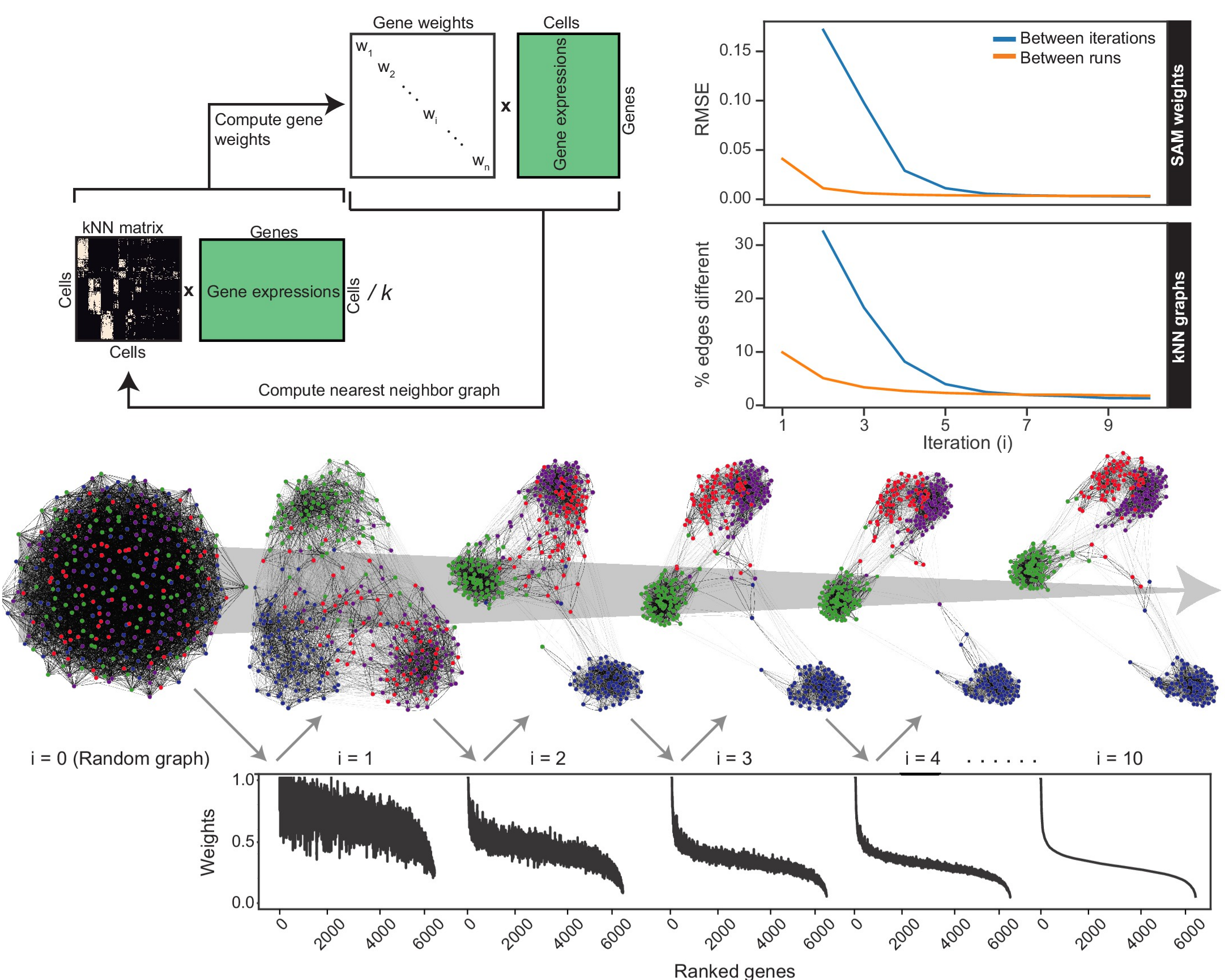
When biologically meaningful differences between cells are subtle, how do you separate signal from noise? SAM uses iterative soft feature selection to automatically rescale feature for superior manifold learning, validated by discovering novel stem cell populations in Schistosoma mansoni and benchmarked across 56 datasets.

Alexander J. Tarashansky, Yuan Xue, Pengyang Li, Stephen R. Quake, Bo Wang. eLife, 2019.

scRNA-seq Algorithm Computational Biology
Tabula Muris: A Cell Atlas of the Mouse

Tabula Muris: A Cell Atlas of the Mouse

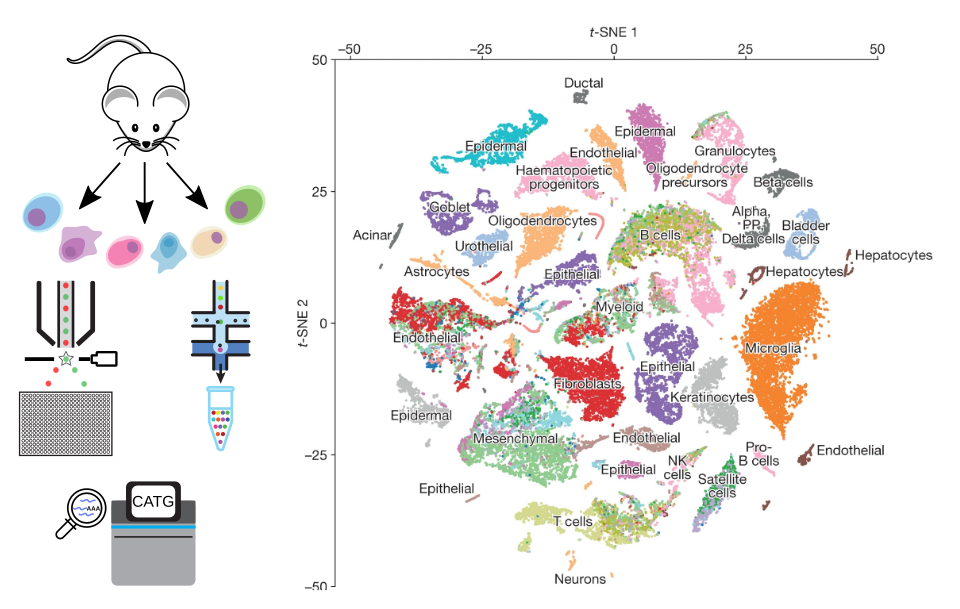
Contributed to the Tabula Muris consortium effort generating single-cell transcriptomic profiles of over 100,000 cells across 20 mouse organs, creating a foundational whole-organism cell atlas.

The Tabula Muris Consortium, Stephen R. Quake, Tony Wyss-Coray, Spyros Darmanis. Nature, 2018.

scRNA-seq Cell Atlas Mouse
How Zinc Supplements Disarm Pathogenic <em>E. coli</em>

How Zinc Supplements Disarm Pathogenic E. coli

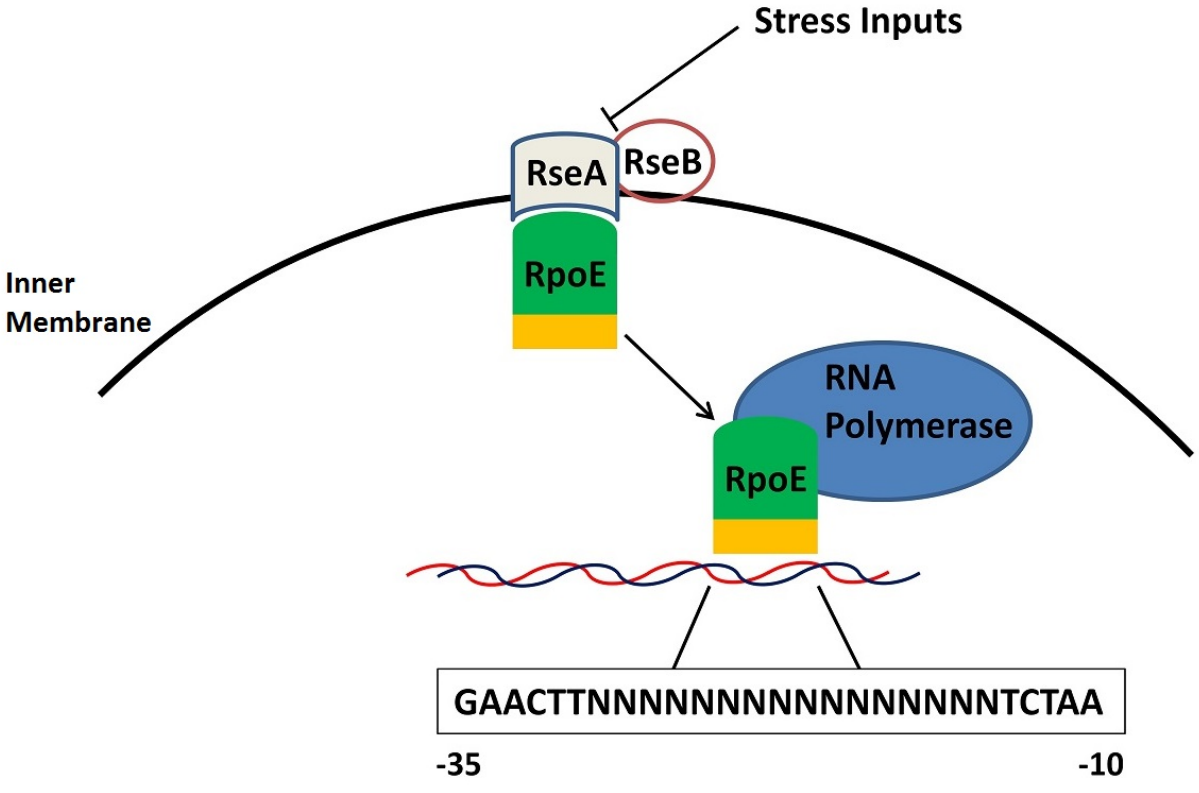
Zinc supplements can treat infantile diarrhea, but how? We show that micromolar zinc triggers envelope stress in enteropathogenic E. coli, activating the alternate sigma factor RpoE, which in turn suppresses virulence gene expression through multiple mechanisms.

Yuan Xue, Jossef Osborn, Anand Panchal, Jay L. Mellies. Applied and Environmental Microbiology, 2015.

Microbiology Pathogens Gene Regulation

How Autophagy Switches On Its Own Degradation Machinery

Lysosomes execute autophagy, but does the autophagic process itself regulate lysosomal function? We dissect a dual activation mechanism involving mTORC1 suppression and autophagosome-lysosome fusion that upregulates lysosomal activity during autophagy.

Jing Zhou, Shi-Hao Tan, Valerie Nicolas, Chantal Bauvy, Nai-Di Yang, Jianbin Zhang, Yuan Xue, Patrice Codogno, Han-Ming Shen. Cell Research, 2013.

Cell Biology Autophagy

Curriculum Vitae

Download Full CV (PDF)